18 Triathlon Swimming Tips and Sessions for Beginners
 0
0
 0
0
Swimming is the leg that scares most new triathletes. I’ve coached dozens of first-timers who could run a 10K without blinking but went pale at the thought of a 750-meter open water swim. The good news is that triathlon swimming is a different skill than pool racing, and you don’t need to be fast. You need to be efficient, calm, and smart about how you train. Here are 18 tips and sessions that will get you from nervous to confident.
Getting Your Technique Right
1. Fix your body position first. Most beginners swim with their hips and legs sinking, which creates drag and burns energy fast. Focus on pressing your chest down slightly into the water, which lifts your hips. Think “downhill” rather than flat.
2. Master bilateral breathing, at least in training. Breathing only to one side creates imbalance in your stroke and limits your ability to sight other swimmers or navigate around obstacles in open water. Practice breathing every three strokes during drills, even if you switch to a preferred side during races.
3. Slow your stroke rate down. New swimmers thrash their arms fast and go nowhere because each stroke has poor catch and pull. A longer, more controlled stroke with a solid catch on the water moves you further per stroke than frantic paddling ever will.
4. Work on your kick, but don’t rely on it. In triathlon, your legs need to stay somewhat fresh for the bike and run. A light two-beat kick that helps with balance and rotation is enough. Save the powerful six-beat kick for sprint finishes.
5. Get comfortable with sighting. Open water has no black line on the bottom to follow. Lift your eyes just above the surface every six to eight strokes to check your direction, then drop back into position. Practice this in the pool by sighting a poolside object.
Drills That Actually Help
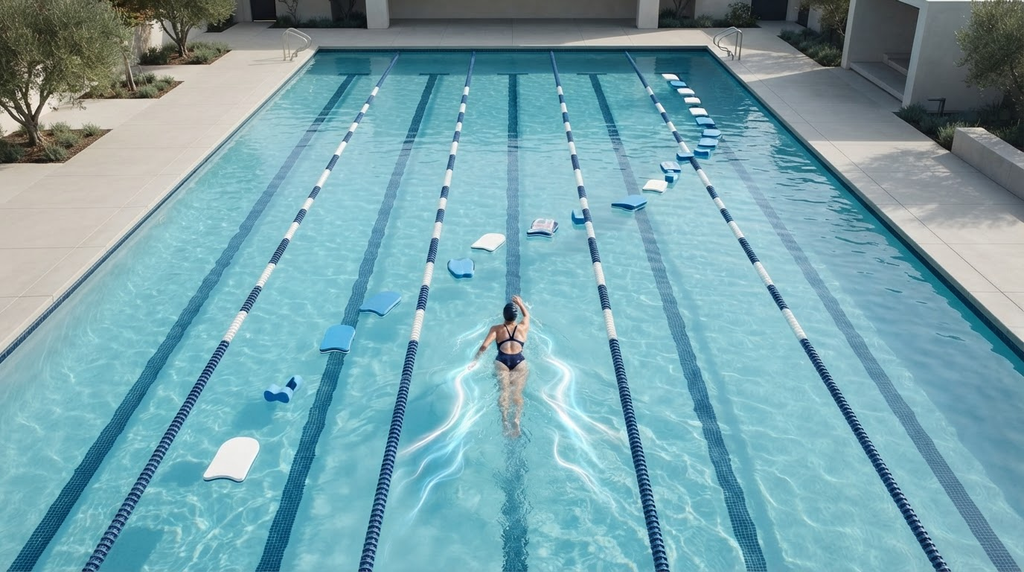
6. Catch-up drill. One arm stays extended in front while the other completes a full stroke cycle before the hands meet. This drill forces a longer stroke and better timing, and it’s one of the fastest ways to fix a choppy technique.
7. Fist drill. Swim with closed fists for a length or two. It forces you to feel the water with your forearm instead of relying purely on your hand, which builds a better catch.
8. Single-arm drill. Swim with one arm at your side while the other does all the work, breathing to the working-arm side. This isolates stroke mechanics and highlights weaknesses on each side.
Building Open Water Confidence
9. Practice in open water before race day. A pool swim and an open water swim feel like two different sports. Find a lake or calm sea location, ideally with a group, and get used to waves, murky water, and the absence of lane lines.
10. Simulate race chaos. Triathlon swims involve contact, arms hitting you, feet in your face. Practice swimming close to other people in a group session so the mass start doesn’t rattle you on race morning.
11. Practice sighting buoys, not just walls. If you’re training in open water, pick a real buoy or landmark and practice swimming straight toward it using minimal sighting glances.
12. Get comfortable with a wetsuit. Wetsuits add buoyancy but also change your stroke feel and can create shoulder restriction if you haven’t practiced in one. Swim at least three or four sessions in your wetsuit before race day.
13. Learn to relax when you can’t touch the bottom. Panic in open water is almost always about depth, not actual danger. Practice treading water and floating on your back mid-swim to prove to yourself that you’re safe even if you stop swimming.
Training Sessions for Beginners
Structure matters more than raw yardage when you’re starting out. Here’s a simple weekly framework I give new athletes.
| Session Type | Focus | Example Set |
|---|---|---|
| Technique session | Drills and form | 4×50 catch-up, 4×50 fist drill, 4×50 single-arm, easy pace |
| Endurance session | Aerobic base | 400 warm-up, 6×100 steady pace with 15 seconds rest, 200 cool-down |
| Open water or race-pace session | Confidence and sighting | 20-30 minutes continuous swim with sighting every 8 strokes |
| Recovery swim | Easy, loosen up | 500-800 meters easy, mixed strokes, no watch |
Rotating these four session types across the week builds fitness without burning you out, and it keeps technique work from disappearing once you start chasing distance.
Race-Day Specific Tips
14. Warm up properly before the start. If the race allows a warm-up swim, take it. Ten minutes of easy swimming plus a few faster efforts wakes up your shoulders and settles your nerves before the gun goes.
15. Start toward the back or side of the pack if you’re nervous. Elbows and kicks fly hardest in the middle of the field at the front. Starting wide or slightly behind the main group gives you cleaner water and a calmer first few minutes.
16. Draft when you can. Swimming just behind or beside another swimmer’s hip reduces your effort significantly. It’s a legal, smart tactic that experienced triathletes use constantly, and beginners should learn it early.
17. Pace the swim conservatively. The swim is the shortest leg of most triathlons, but going too hard here leaves you gassed for the bike. Aim for a controlled, sustainable effort rather than a personal best pool time.
18. Exit the water with a plan. Practice standing up when you can touch bottom, undoing your wetsuit zip as you run toward transition, and pulling your arms out while jogging. Fumbling here costs more time than most people expect.
Key Takeaways
Swimming for triathlon rewards efficiency and calm over raw speed. Fix your technique with drills, get real open water practice before race day, follow a structured weekly plan, and rehearse the small race-day details like sighting, drafting, and wetsuit removal. None of this requires natural talent. It requires consistent, focused practice.
Start with two swim sessions a week using the framework above, add open water practice a month before your race, and you’ll walk to that start line ready instead of anxious. Get in the water this week and put tip one into practice.